
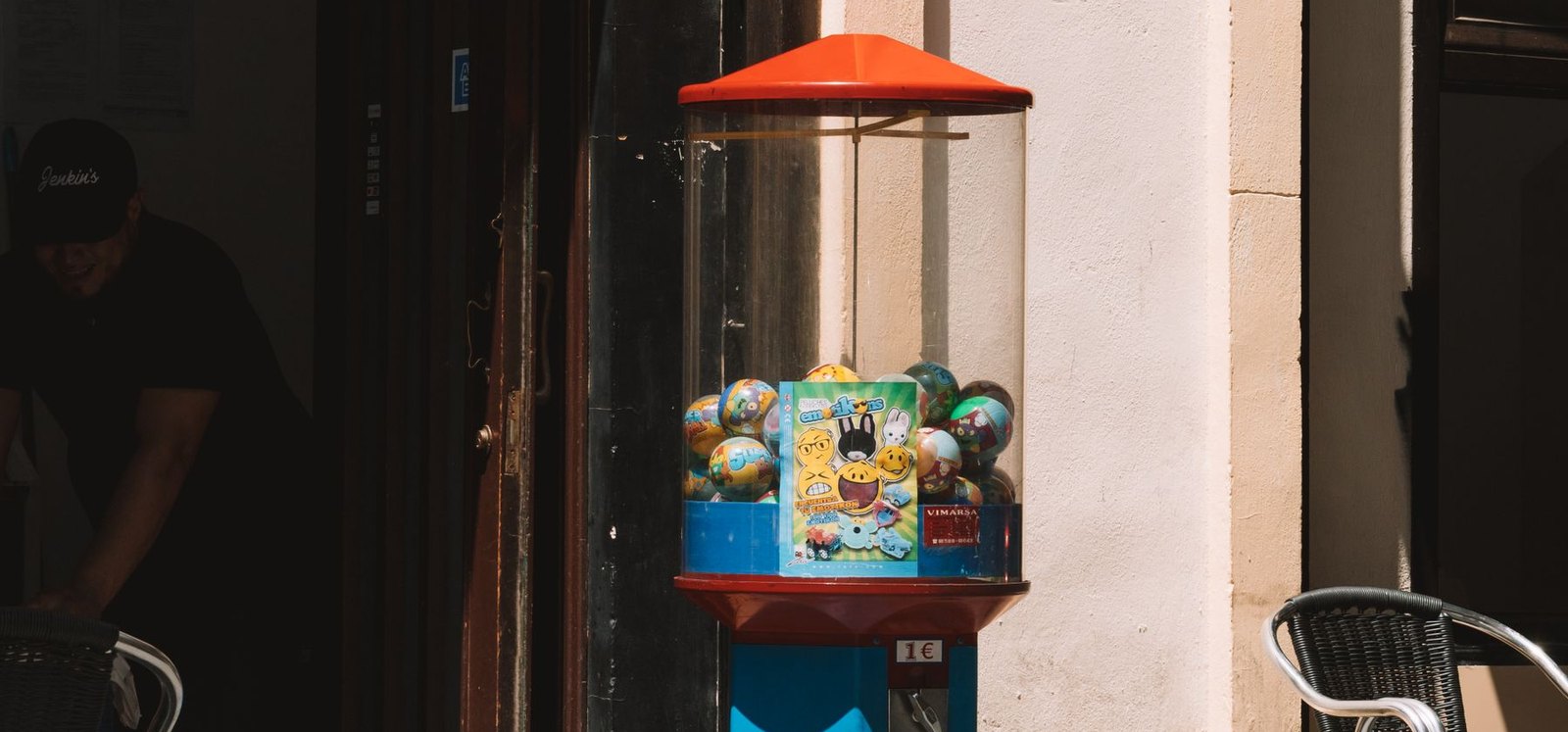
On 25 November, Binance Wallet announced the integration of Renaiss Protocol and the launch of Gacha, a trading-card pack service within the wallet. Users pay for packs in USDT and receive digital certificates linked to physical cards graded by third parties. Purchases, asset allocation and time-limited resale are brought together in a single wallet interface. [1]
For the stablecoin industry, the notable development is the link between payment and what happens to the asset afterwards. Wallet balances have traditionally been used for transfers or digital asset trading. In this case, they can also be spent on a digital asset associated with a physical item, which can, under specific conditions, subsequently be sold for stablecoins.
This does not put the entire physical-card transaction on a blockchain. Payments take place on-chain, cards remain in physical vaults, and the digital certificates are held by a third party during a defined period. Physical delivery requires a separate service. How those elements fit together matters more than the addition of another wallet feature.
What changes when a collectible becomes an on-chain certificate?
Graded trading cards have two characteristics that matter for digitisation. Grades and certification numbers identify individual objects, while condition, scarcity and demand shape their value. Two physical copies of the same card can therefore command different prices.
Renaiss associates individual physical cards with non-fungible tokens (NFTs). According to Binance's documentation, independent professional organisations authenticate and grade the cards, while the Renaiss vault network is responsible for their safekeeping. The digital certificates contain information such as the grade, certification number and custody status, which can be inspected on BNB Smart Chain (BSC). [1][2]
The distinction from a typical e-commerce order is that the buyer does not necessarily wait for an item to be shipped after payment. Instead, the initial purchase gives the buyer a digital asset record associated with a particular physical object. The card can remain in a vault while the associated digital asset changes hands.
Binance Wallet serves as the access point; Renaiss provides the card transaction service, with specialised organisations responsible for grading and safekeeping. USDT is the payment asset, and BNB is required for network gas fees. The launch announcement describes the experience as not requiring manual signature confirmation, but that does not remove the gas cost. [1] The general product documentation specifies a maximum of ten packs that can be purchased and opened at once. [2]
For people who already hold stablecoins, the integration can reduce the need to switch payment tools when buying physical collectibles. That is a design advantage, not evidence of a measured improvement in conversion. The need to maintain a balance for network fees also means that some friction remains.
The 72-hour resale window: how does the asset become stablecoins again?
The cash flows after purchase are more revealing than the purchase itself.
Binance calls the time-limited resale arrangement a Community Offer. For 72 hours after a pack is opened, users can sell the corresponding card at a quote provided by Renaiss and receive USDT. [1][2]
This is not a conventional refund. The general product documentation says pack purchases are non-refundable. The resale quote is based on the card's Base Buyback Value (BBBV) and a rate tied to the time elapsed since opening the pack. The base value is set when the card set is formed; the actual quote declines in time-based steps. A reference value shown in the interface, the amount paid for a pack and the proceeds from resale may therefore differ. [2]
That is also the difference between a time-limited quote and market liquidity. Users are dealing with a specific arrangement offered by Renaiss, not an open market guaranteed to have buyers at all times. The launch announcement also says the resale service may be changed or discontinued and offers no guarantee of value. [1]
Custody of the digital certificate is another important detail. During the offer window, Renaiss holds the NFT associated with the card, and the card is visible in Gacha's collection records. NFTs that are not sold are transferred to the user's wallet address after the window closes. The account Renaiss creates for Gacha is also separate from the user's usual wallet address. [2]
The payment and asset transfers thus unfold in two stages: the initial stablecoin payment corresponds to an allocation record, followed by either an NFT transfer or a resale settlement. Seeing a collectible in the wallet interface does not mean the NFT is already held at the user's own address.
From a payments perspective, stablecoins link two distinct transactions here: spending on consumption and subsequently disposing of an asset. If one were assessing the scale of the platform's business, the initial purchase amounts and resale payments should be measured separately. Both generate cash flows; neither can automatically be counted as platform revenue. Revenue depends on the platform's role, fees and accounting treatment, not the sum of transfers.
On-chain verification covers allocation rules, not every business risk
Random allocation of physical cards raises two separate questions of trust: whether an announced pool has been altered and whether the final allocation follows the stated randomisation mechanism.
Before the first allocation from each pool, Renaiss records the Merkle root of the card list on-chain. The root is effectively a fingerprint of a defined set of assets; changing the list produces a different fingerprint. A verifiable random function (VRF) generates the random result with a proof that can be checked against public data. [1][2]
The pool also operates without replacement: an individual physical item is removed from the remaining inventory once allocated. The initial published rarity probabilities therefore do not necessarily match the probabilities at a later point in time. [2]
Renaiss has published code for its verification tools. That demonstrates a technical path for reproducing and checking results; it does not independently establish that every transaction in production has been verified. The general product documentation also acknowledges that participation depends on back-end transaction submission and that the random input is subject to the blockchain's underlying security assumptions. [2][4]
Even if the card list and allocation results can be verified, that does not determine a card's actual market price, the operator's ongoing ability to meet its obligations, or the reliability of physical fulfilment. Transparency of random allocation and the risks of the underlying asset are distinct issues.
The physical card remains off-chain: the limits of redemption
An NFT can provide an on-chain record associated with a physical collectible. Storage, delivery and dispute resolution, however, remain the responsibility of real-world service providers.
Two Binance product documents and the launch announcement describe different stages of physical redemption. The general product documentation dated 20 November said redemption was not yet available. A separate document dated 23 November described the process for requesting redemption from Renaiss. The launch announcement on 25 November nevertheless listed physical redemption as a future feature. [1][2][3]
The more plausible reading is a change in the feature rollout schedule rather than contradictory instructions: the redemption process was documented on 23 November, while the 25 November launch announcement placed physical redemption in a later release. The process documentation came first; feature availability was scheduled for later. As of this review, there is still no confirmation that launch users had access to actual redemption. The existence of instructions is not evidence that the feature was available to all eligible users.
The redemption documentation does, however, describe the fulfilment model. Renaiss is responsible for redemption orders, retrieving cards from the vault, shipping, fees and after-sales support; Binance Wallet is only the integrated access point. The launch announcement also specifies that Binance Wallet does not operate the random allocation, hold the assets, set resale prices or act as the counterparty. [1][3]
This division of responsibility matters for tokenisation of real-world assets (RWAs). An item may have both an on-chain record and a physical custody status, and those two records must remain aligned. If a physical item is lost, damaged or cannot be shipped, the transaction history can document the relevant records but cannot itself deliver the item or compensate the buyer.
Wallet competition expands into consumer spending, but the business outcome remains open
The integration offers a concrete example of how wallet products may evolve. A wallet need not operate every merchant business itself: by integrating third-party applications, it can connect existing digital asset balances to new spending use cases. Third-party operators, in turn, can reach people who already hold on-chain assets without building every payment and distribution interface independently.
That is a possible division of responsibilities, not a disclosed business strategy or revenue-sharing agreement between Binance and Renaiss. Whether it is sustainable will depend on actual consumer demand, customer acquisition costs, physical inventory turnover, custody and logistics costs, and the financial burden of providing time-limited quotes.
Products combining random allocation and resale for value may also be affected by consumer protection, prize-draw and virtual asset rules in different markets. Binance explicitly states that Gacha availability is subject to regional and account-level restrictions. [1][2] Technical verifiability cannot substitute for a regulatory assessment.
As of this review, the integration announcement and related documentation examined here did not disclose transaction volumes, repeat-purchase rates, user retention or profit for this access point. They do not yet establish sustainable demand in a wider consumer market.
What the launch demonstrates is that stablecoin payments can be linked to digital records of physical goods and to specific mechanisms for subsequently disposing of those assets. Whether that connection becomes consumer infrastructure at scale will depend on the physical goods, financing and fulfilment systems behind the digital assets.
Sources
- 1Binance, 25 November 2026, Introducing Gacha on Binance Wallet: Open Packs and Reveal Real, Graded Trading Cards
- 2Binance, 20 November 2026, What is Gacha on Binance Wallet and Frequently Asked Questions
- 3Binance, 23 November 2026, Frequently Asked Questions on Physical Card Redemption From Gacha on Binance Wallet
- 4Renaiss Protocol, renaiss-fair public verification code repository (consulted 25 November 2026)
- 5PANews, 25 November 2026, original news lead (summary supplied by the owner; direct access was unsuccessful during the original research; substantive claims rely on [1]–[4])